
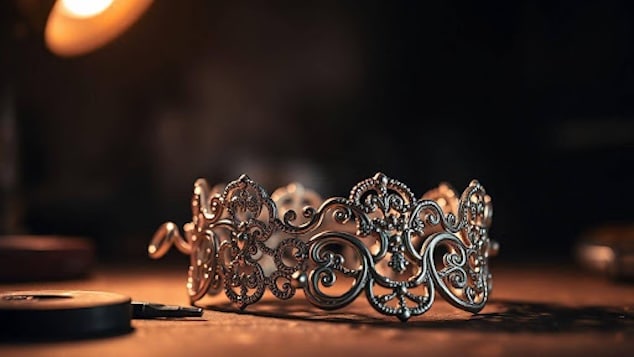

Learning Jewelry Making from the Ground Up: Essential knowledge, techniques in mastering the art of Metalsmithing
Humans have always loved decorating themselves. Think of ancient beads or shiny gold chains. That pull to create beauty with your own hands? It runs deep. Jewelry making mixes art with skill and lets you express who you are. You shape metal or string beads into pieces that tell a story.
This guide covers learning jewelry from the ground up. It includes metalsmithing, beadwork, casting, and design basics. The artisan market grows fast, with handmade items selling well online and at fairs. Now’s a great time to start this hobby or even turn it into a job. You’ll learn tools, techniques, and tips to build your skills step by step.
Section 1: Foundations of Jewelry Making: Essential Knowledge and Tools
Understanding Core Jewelry Disciplines
Jewelry making splits into key paths. Traditional metalsmithing involves bench work like cutting and soldering metal. Wire wrapping uses thin wires to hold stones without heat. Beading and stringing focus on threading gems or pearls. Modern digital design uses computers to plan pieces before making them.
Each path suits different styles. Metalsmithing feels sturdy and classic. Beading offers quick color pops. Try a beginner kit in each to see what clicks. Start simple. Pick one that matches your space and budget. This way, you avoid overwhelm early on.
Essential Starter Tools and Workspace Setup
You need basic tools to begin. Grab pliers for bending wire, files for smoothing edges, a jeweler’s saw for cuts, and a simple soldering setup. Safety comes first. Wear eye protection and work in a spot with good air flow to avoid fumes.
Set up a small bench or table. Clear clutter for focus. A popular kit from Rio Grande or Fire Mountain Gems works well for newbies. It includes essentials without breaking the bank. Many jewelry schools recommend these for first projects. Organize your space so tools stay easy to find.
Material Science 101: Metals and Findings
Begin with easy metals like sterling silver, copper, or brass. Sterling silver shines bright but tarnishes over time. Copper costs less and patinas nicely for a vintage look. Brass adds warm tones. Base metals like nickel work for practice.
Gauge matters for wire thickness. Findings like clasps and jump rings finish your pieces. They connect parts securely. For beginner jewelry metals, start with 20-gauge wire. It handles most tasks. Check jewelry making supplies lists online for deals.

Section 2: Mastering Bench Techniques: The Art of Metalsmithing
Soldering and Annealing: Heat Control is Key
Soldering joins metal by heating it with a torch. Flux cleans the spot and helps solder flow. Use different solder types: hard for strong bonds, easy for final touches. Annealing softens metal after work hardens it. Heat until it glows dull red, then cool it.
Practice heat control to avoid melting your work. Clean surfaces well before starting. Apply flux evenly. Pick the right torch tip for your metal size. A quick checklist helps: prepare area, light torch, heat evenly, add solder last. This builds clean joints every time.
Shaping and Forming Metal with Hand Tools
Hammer metal to texture it or thin it out. Use a planishing hammer for smooth finishes. Filing removes rough spots and shapes curves. Bend sheets over mandrels for rings or bangles. These tools give precise control.
Start with soft copper to learn hammer strikes. Consistent taps create even forms. “The Complete Metalsmith” by Tim McCreight teaches solid hammer techniques. Pros swear by it for control tips. Practice on scraps. Soon, your pieces take real shape.
Setting Stones: From Bezel to Prongs
Stone setting holds gems in place. Bezel setting wraps metal around a cabochon for security. It’s great for beginners since it forgives small errors. Prong setting lifts the stone with tiny claws for sparkle. Bead setting dots metal over faceted stones.
For how to set a cabochon, score the bezel with a file first. Push metal over the stone gently. Use a bezel pusher tool for even pressure. Beginner stone setting tutorials online show close-up steps. Test on cheap stones. Your jewelry gains that pro look fast.
Section 3: Beyond the Bench: Alternative Jewelry Crafting Methods
Introduction to Beadwork and Wire Wrapping
Beadwork strings colorful pieces on wire or thread. Flexible wire like Soft Flex handles knots well. Thread suits delicate designs but frays easier. Wire wrapping coils around stones to make pendants without soldering. It relies on tension for hold.
Choose wire by strength needs. Soft Flex bends without kinking. For wrapping, use 18-gauge for base and 24-gauge for details. Practice simple loops. This method lets you create fast, no-heat projects.
Exploring Resin and Polymer Clay
Resin casts clear pieces with embeds like flowers. Mix two parts, pour into molds, and cure. Wear gloves and work outside for fumes. Polymer clay molds by hand, then bakes low. It comes in bright colors for fun shapes.
Safety rules apply: ventilate resin areas, bake clay on foil. Floral inclusion resin pieces trend now on Instagram. They look like trapped garden bits. Start with small molds. These crafts need little gear but yield bold results.
Digital Design and 3D Printing for Jewelry
CAD software like Rhino sketches designs on screen. It plans rings or settings before cutting. Matrix adds gems to models. 3D printers make wax or plastic parts for casting. This blends old craft with new tech.
Learn basics through free tutorials. Print a simple band to test. It speeds up prototypes. Traditional makers now use it for complex shapes. Your ideas turn real quicker.
Section 4: Developing Your Jewelry Design Portfolio
Principles of Good Jewelry Design
Balance keeps pieces steady. Proportion scales parts right, like a pendant to chain. Scale fits the wearer—tiny for ears, bold for necks. Visual weight draws the eye without overwhelming.
Make sure it’s comfortable. Test wear time. Jewelry design principles start here: sketch ideas first. Use wearable jewelry scale to match body types. Good designs feel right on skin.
Sourcing and Sustainability in Materials
Buy from ethical sellers for gems and metals. Recycled silver cuts waste. Tell buyers your story for trust. Shop at places like Etsy suppliers or local mines.
Consumers want green choices. A 2022 survey shows 70% pick sustainable jewelry. This boosts sales. Track sources for labels. Your work stands out.
Finishing and Polishing Techniques
Polish for shine. Tumble pieces in media for smooth edges. Buff with wheels and compounds. Liver of sulfur adds dark patinas for contrast.
Sandpaper stages go from coarse 220 grit to fine 2000 for mirror finish on silver. Work wet to avoid scratches. A pro finish sells pieces. Practice on old work.
Section 5: Turning Learning into Earning: Next Steps
Formal Education vs. Self-Taught Paths
Workshops teach hands-on fast. Community colleges offer cheap classes. Online videos suit home learners. Formal paths build networks. Self-taught saves money but needs discipline.
Mentorship from jewelers speeds growth. Join local groups. Pick based on your goals. Both lead to skill.
Building Your Brand and Selling Your Work
Price right: add materials, time, and extras. Shoot clear photos with good light. List on Etsy or hit craft fairs.
For how to price handmade jewelry, factor 2-3x costs. Selling artisan jewelry online needs stories in descriptions. Start small. Build fans over time.
Conclusion: Your Journey into Adornment Starts Now
Master safety first. Choose one discipline to focus on. Practice daily for progress. Jewelry making rewards patience. The learning never stops, but each piece gets better. Grab tools and start creating. Your unique style waits. Share your first make online—what’s your go-to technique?
Related posts:


