

How to get your Pennsylvania medical marijuana card and a patient’s guide as to how to find the right medical marijuana dispensary for your needs.
Pennsylvania operates one of the largest medical-only marijuana programs in the United States. With nearly 200 dispensaries serving over 400,000 registered patients, the Commonwealth has built significant infrastructure for cannabis access. Yet unlike neighboring states that have legalized recreational use, Pennsylvania requires medical certification for any legal cannabis purchase.
This medical-only status makes understanding the dispensary landscape essential for Pennsylvania patients. There is no recreational fallback option. Patients who want legal access must navigate the medical system, and knowing where dispensaries are located and how they operate shapes the entire experience.
Pennsylvania’s Dispensary Network
Pennsylvania licenses dispensaries through a regulated system that limits total locations while ensuring geographic distribution. The state divided into regions to guarantee that dispensaries would not concentrate exclusively in Philadelphia and Pittsburgh, leaving other areas underserved.
The result is a network of 192 dispensaries spread across the Commonwealth. Major metro areas have the highest concentrations, but smaller cities and some rural areas also have options. Most Pennsylvania residents can reach a dispensary within reasonable driving distance, though access varies by region.
Finding Pennsylvania marijuana dispensaries near your location helps patients identify their options before making trips. Knowing which dispensaries serve your area, their hours, and their product availability prevents wasted time visiting locations that do not meet your needs.
The dispensary network continues evolving as the state approves additional licenses and existing operators expand. Checking current listings ensures patients have up-to-date information rather than outdated assumptions about what is available.

Understanding Pennsylvania’s Medical Requirement
Pennsylvania has not legalized recreational cannabis. Every legal purchase requires active patient certification through the state’s medical marijuana program. This requirement carries significant implications for dispensary access.
Dispensaries verify patient status before allowing purchases. Electronic systems confirm that patients hold valid certifications and have not exceeded purchase limits. Expired certifications result in denied transactions regardless of prior purchase history.
Obtaining a Pennsylvania medical marijuana card requires evaluation by a physician registered with the state’s program. These physicians confirm qualifying conditions and issue certifications that patients use to register with the Pennsylvania Department of Health.
The state recognizes over 20 qualifying conditions including anxiety disorders, cancer, chronic pain, epilepsy, inflammatory bowel disease, multiple sclerosis, neuropathies, opioid use disorder, Parkinson’s disease, PTSD, and others. The broad list ensures most patients with genuine therapeutic needs can qualify.
Certifications last one year, requiring annual renewal to maintain dispensary access. Patients must track expiration dates and complete renewal processes before certifications lapse. Gaps in certification mean gaps in legal purchasing ability.
What Pennsylvania Dispensaries Offer
Pennsylvania dispensaries stock diverse product selections that have expanded significantly since the program launched.
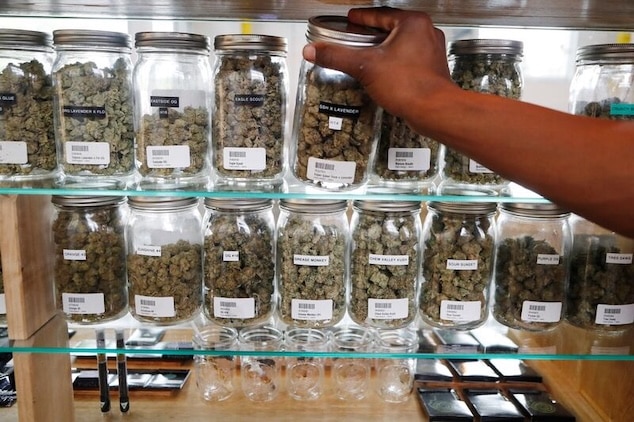
Flower became available after initial program rules prohibited it. Patients can now purchase cannabis flower for smoking or vaporization alongside concentrates, tinctures, topicals, capsules, and other formulations. This product diversity allows patients to choose consumption methods suited to their conditions and preferences.
Product quality reflects Pennsylvania’s testing requirements. All products must pass laboratory analysis for potency and contaminants before reaching dispensary shelves. Patients purchasing from licensed dispensaries receive products meeting state safety standards.
Pricing in Pennsylvania runs higher than in some states due to limited competition and no recreational market creating price pressure. However, prices have declined as the program matured and more cultivators entered production. Comparison shopping across dispensaries can yield savings.
Medical consultation distinguishes Pennsylvania dispensaries from recreational retail in other states. Staff receive training on medical applications and can provide guidance beyond simple transaction processing. Patients with questions about products, dosing, or treatment approaches can find assistance at most locations.
Regional Dispensary Access
Pennsylvania’s geography creates varying dispensary access across different regions.
Philadelphia and its suburbs have the highest dispensary concentration. Patients in southeastern Pennsylvania can choose from numerous locations within short drives. This density enables comparison shopping and convenience that patients elsewhere may lack.
Pittsburgh and western Pennsylvania have substantial dispensary presence. The state’s second major metro and surrounding areas offer multiple options for patients on that side of the Commonwealth.
Central Pennsylvania, including Harrisburg, has meaningful access though fewer total options than the major metros. State capital area residents can find dispensaries without extreme travel but may have fewer choices than metro patients.
Northern tier and rural areas present greater challenges. Some patients in less populated regions must travel 30 minutes or more to reach dispensaries. For these patients, planning purchases and potentially stocking up during visits makes practical sense.
The state’s regional licensing requirements prevented complete concentration in major metros, ensuring at least some access across Pennsylvania. But practical access still varies significantly based on where patients live.
Choosing Among Dispensary Options
Patients with multiple dispensary options should evaluate locations based on factors beyond simple proximity.
Product availability differs across dispensaries. Each location makes its own inventory decisions, stocking different brands, strains, and product types. Patients seeking specific products should check dispensary menus before visiting rather than assuming universal availability.
Online menus published by most Pennsylvania dispensaries list current inventory with pricing. Reviewing menus before visits helps patients identify which locations stock what they need. Some dispensaries allow online ordering for in-store pickup, ensuring product availability upon arrival.
Pricing varies among dispensaries for identical products. Pennsylvania does not regulate retail prices, allowing dispensaries to set their own rates. Price-conscious patients can compare costs across locations and choose accordingly.
Staff expertise ranges across dispensaries. Some locations employ highly trained personnel who can discuss cannabinoid profiles, terpene effects, and product selection in depth. Others provide more basic retail service. Patients valuing consultation should evaluate staff interactions when choosing regular dispensaries.
Wait times and service efficiency affect the patient experience. Some dispensaries process patients quickly while others involve longer waits. Visiting during off-peak hours or choosing less crowded locations improves efficiency.
The Dispensary Visit Process
Understanding what dispensary visits involve helps patients prepare appropriately.
Entry requires identification verification. Patients present government ID and their medical marijuana cards. Staff confirm certification status before allowing access to retail areas. Patients should ensure they have required documents before traveling to dispensaries.
Consultation occurs before or during product selection. Patients can discuss their needs with staff who provide recommendations based on available inventory. The depth of consultation depends on patient preferences and staff capabilities.
Product selection follows consultation. Patients review options, ask questions, and make purchasing decisions. Taking time to understand products before committing prevents regret over purchases that do not meet expectations.
Payment completes transactions. Many Pennsylvania dispensaries accept debit cards, though some remain cash-only due to banking restrictions affecting cannabis businesses. Patients should verify payment options or bring cash to avoid complications.
Exit packaging includes required labeling with product information. Patients should verify they received correct products before leaving dispensaries. Addressing errors on-site is easier than resolving them later.
Building Dispensary Relationships
Regular patients benefit from establishing ongoing relationships with preferred dispensaries.
Staff recognition develops over repeated visits. Employees who know returning patients can provide more personalized service based on established preferences. This familiarity mimics traditional pharmacy relationships.
Loyalty programs reward consistent customers. Many Pennsylvania dispensaries offer points systems, discount programs, or patient appreciation events. Enrolling in these programs yields savings that compound over time.
Communication channels keep patients informed. Dispensaries that collect contact information can notify patients about sales, new products, and inventory availability. Opting into communications ensures patients learn about opportunities.
Feedback improves dispensary operations. Patients who share experiences help dispensaries identify areas for improvement. Locations responsive to patient input provide better service over time.
Access Considerations
Some patients face particular challenges accessing dispensaries that deserve specific attention.
Mobility limitations affect dispensary visits. Pennsylvania dispensaries vary in physical accessibility. Patients with mobility challenges should call ahead to confirm accessibility features at specific locations.
Transportation barriers prevent some patients from reaching dispensaries. Caregiver registration allows designated individuals to purchase on behalf of patients who cannot visit dispensaries themselves. This program addresses access challenges for homebound or mobility-limited patients.
Financial constraints affect many patients. Comparing prices, utilizing loyalty programs, and watching for sales help manage costs. Some dispensaries offer discount programs for veterans, seniors, or patients demonstrating financial hardship.
Rural distance creates access challenges for some patients. Planning trips to combine dispensary visits with other errands and purchasing appropriate quantities per visit helps manage travel requirements.
The Medical-Only Reality
Pennsylvania patients must accept the medical-only nature of the state’s program. Unlike neighbors in New Jersey, New York, or Maryland where recreational options exist, Pennsylvania requires certification for any legal access.
This reality makes maintaining active certification essential. Patients who let certifications lapse lose all legal purchasing options until they complete renewal. There is no recreational backup to carry them through.
The medical framework also provides certain advantages. Patients receive consultation rather than simple retail transactions. Products focus on therapeutic applications. Staff training emphasizes medical use. The overall experience differs from recreational dispensaries in other states.
Pennsylvania may eventually legalize recreational cannabis, but that day has not arrived. Patients planning based on current conditions rather than speculative futures make better decisions about certification and dispensary relationships.
Getting Started
Pennsylvania residents interested in accessing dispensaries must first complete the certification process. Physician evaluation, state registration, and card issuance precede any dispensary visit.
Once certified, researching dispensary options in your area establishes the foundation for ongoing access. Identifying which locations serve your region, what products they stock, and what services they provide helps patients choose wisely.


